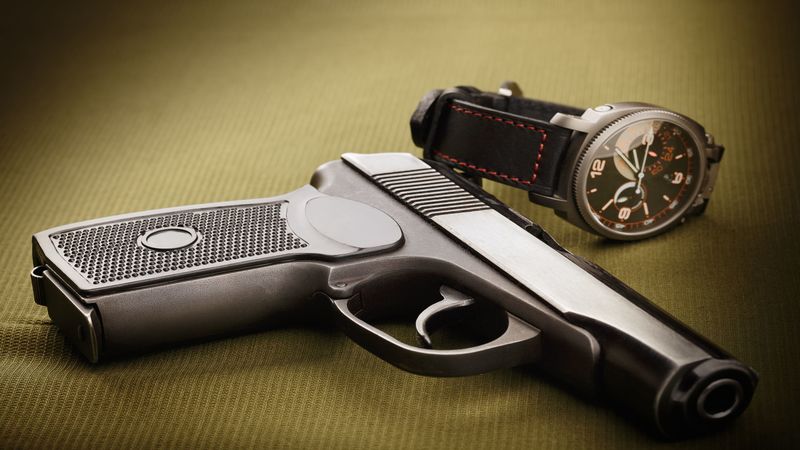
Two handguns from the same manufacturer can look nearly identical yet have noticeably different barrel lengths. Those differences are usually intentional and reflect how the manufacturer expects each version to balance size, handling, sighting characteristics, and overall configuration.
For buyers comparing handguns in Surprise, AZ, understanding these differences can make product listings much easier to interpret. Someone browsing Handguns for Sale may find several versions of the same pistol family, each designed around slightly different dimensions and intended applications.
Why Do Manufacturers Offer Different Barrel Lengths?
Firearm manufacturers often build multiple configurations around the same basic pistol platform. A compact version may share many components with a larger model while using a shorter slide and barrel. Another variation may extend the barrel and slide while maintaining a similar grip design.
This allows one firearm family to serve different preferences without requiring an entirely new design.
For example, shoppers comparing pistols for sale may encounter one model with a shorter barrel designed around reduced overall dimensions and another with a longer barrel intended to provide a different balance and sighting profile.
Neither configuration is automatically better. They simply emphasize different characteristics.
How Does Barrel Length Affect Overall Handgun Size?
The barrel is housed inside the slide on most modern semi-automatic pistols, so changing barrel length often changes slide length as well.
A shorter barrel generally means a shorter slide and reduced overall handgun length. This is one reason people searching for a compact pistol for sale often encounter models with shorter barrels than their full-size counterparts.
However, barrel length does not determine every dimension.
Two pistols may have similar barrel lengths while having very different grip heights, widths, or magazine capacities. Conversely, a manufacturer may offer two pistols with nearly identical grips but noticeably different slide and barrel lengths.
That is why buyers should compare the entire specification sheet rather than relying on a single measurement.
What Is the Difference Between Compact and Full-Size Pistols?
The terms compact and full-size usually describe the firearm’s overall proportions rather than barrel length alone.
A compact pistol often combines a shorter barrel and slide with a reduced grip height. A full-size pistol typically uses a longer barrel, longer slide, and larger grip frame.
Someone comparing a compact pistol for sale with a full size pistol for sale should therefore look at several specifications together, including:
- Barrel length
- Overall length
- Overall height
- Width
- Unloaded weight
- Magazine capacity
Manufacturers do not always use these size labels in exactly the same way, so the actual measurements are more useful than the category name alone.
Does Barrel Length Change How a Pistol Feels?
Yes. Even relatively small dimensional differences can change the way a handgun balances in the hand.
A longer slide and barrel place slightly more weight toward the front of the firearm. Some users prefer that balance, while others favor the lighter and shorter profile of a compact model.
Weight also varies depending on frame material, slide construction, caliber, magazine configuration, and other components. As a result, two handguns with similar barrel lengths may still feel quite different.
This is one reason shoppers at a gun store often compare several specifications before deciding which configuration best matches their preferences.
Why Can Longer Barrels Have Longer Sight Radiuses?
On pistols equipped with traditional front and rear sights, a longer slide generally creates more distance between those sights. That distance is called the sight radius.
A longer sight radius can make small alignment differences easier to notice when using iron sights. Shorter pistols have a shorter sight radius because the front and rear sights sit closer together.
However, modern handgun configurations vary considerably. Optics-ready pistols, different sight systems, and manufacturer-specific slide designs can all influence how important this distinction is to an individual buyer.
When comparing pistols for sale, shoppers should therefore look at the entire sighting system rather than assuming barrel length tells the whole story.
Why Might Two Pistols Share a Name but Use Different Barrels?
Manufacturers often use one model family across several configurations.
A pistol line might include a compact version, standard version, long-slide version, optics-ready configuration, or other variation. The firearms may share a recognizable design and many internal characteristics while using different barrel and slide lengths.
This naming structure helps manufacturers organize related models, but it can occasionally make online shopping confusing.
The model name alone may not identify the exact firearm. Product numbers, SKUs, barrel measurements, capacity, sights, finish, and included equipment can distinguish one version from another.
For buyers in Surprise, Arizona, carefully reviewing those details is particularly useful when comparing firearms online before arranging the applicable purchase and transfer process.
Does a Shorter Barrel Always Mean a Smaller Pistol?
Not necessarily.
A handgun can have a relatively short barrel while retaining a taller grip or larger frame. Manufacturers sometimes combine shorter slides with full-height grips, creating configurations that sit somewhere between traditional compact and full-size categories.
Likewise, some pistols with longer barrels remain relatively slim.
This is why searches for handguns for sale or a specific pistol category can produce models that look similar in photos but differ meaningfully once their dimensions are compared.
What Should Buyers Compare Besides Barrel Length?
Barrel length is useful, but it should be viewed as one part of the firearm’s overall configuration.
Buyers can compare total dimensions, weight, caliber, magazine capacity, sight configuration, controls, frame construction, and manufacturer specifications. They should also verify the exact model number when several visually similar versions appear in the same product family.
A firearm’s intended role can also influence how manufacturers configure it. Some designs emphasize reduced dimensions, while others emphasize a longer slide, larger frame, or different balance.
Understanding these relationships makes it easier to compare listings without assuming that two pistols sharing the same name are functionally identical in every respect.
Understanding the Differences Makes Comparison Easier
Different barrel lengths exist because manufacturers design handgun families around different dimensions and configurations. A shorter barrel may accompany a more compact platform, while a longer version may offer a different balance, sight radius, and overall feel.
For buyers researching firearms around Surprise, AZ, the most useful approach is to compare the complete specifications rather than focusing on one number. Barrel length matters, but overall size, weight, grip dimensions, capacity, and exact model designation help provide the full picture.
Once those details are understood, seemingly similar handgun listings become much easier to distinguish.