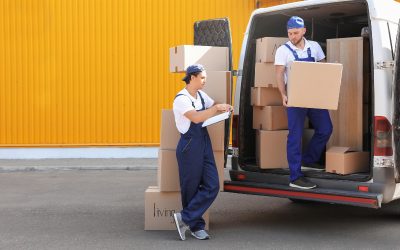
Relocating heavy machinery and industrial equipment is a complex process that demands meticulous planning, technical expertise, and specialized equipment. Whether a business is expanding, upgrading, or consolidating operations, moving large-scale machinery across the USA presents unique logistical and safety challenges. For those searching for reliable solutions, working with an Industrial Moving Company is the preferred approach to ensure both safety and efficiency during machinery relocation.
Comprehensive Planning and Assessment
A successful machinery move begins with an in-depth assessment of the equipment and the relocation site. Professionals conduct site surveys to understand the dimensions, weight, and specific handling requirements of each piece of machinery. This evaluation includes identifying potential obstacles, access limitations, and any structural concerns at both the origin and destination.
During the planning phase, detailed timelines and contingency strategies are established. This not only helps minimize production downtime but also ensures that every aspect of the move is carefully coordinated. By mapping out each stage, companies can anticipate and address any possible complications before they arise.
Specialized Equipment and Techniques
Industrial moves often involve equipment that is too heavy or complex for conventional methods. To address this, movers utilize specialized tools such as hydraulic lifts, cranes, air dollies, and custom rigging systems. The choice of equipment depends on the machinery’s size, weight, and sensitivity.
Key techniques used during machinery relocation include:
- Machine Disassembly and Reassembly: Breaking down large machines into manageable components for safer transport and precise reinstallation.
- Protective Packaging: Using custom crates, shrink-wrapping, and padding to safeguard sensitive components from damage during transit.
- Precision Handling: Employing advanced rigging methods to maneuver heavy equipment through tight spaces or challenging environments.
Skilled Personnel and Safety Protocols
The expertise of a trained crew is vital to any industrial move. Team members are typically certified in handling heavy machinery and follow strict safety standards set by regulatory agencies. Regular safety briefings and adherence to OSHA guidelines help prevent workplace accidents and equipment damage.
Some essential protocols include:
- Conducting risk assessments before each move
- Utilizing proper personal protective equipment (PPE)
- Implementing lockout/tagout procedures to ensure machinery is safely de-energized
Logistics and Transportation Management
Transporting industrial machinery across states requires more than just physical relocation. Logistics professionals handle route planning, secure permits for oversized loads, and coordinate with transportation providers to minimize delays. They also manage documentation and communicate with local authorities to navigate regulatory requirements.
To further ensure efficiency, real-time tracking systems are often used so clients can monitor the status of their assets throughout the relocation process.
Post-Move Support and System Integration
Once machinery arrives at its new location, the job isn’t finished. Technicians oversee the reinstallation and alignment of equipment, ensuring everything operates as intended. Post-move support may also include calibration, testing, and system integration to minimize downtime and expedite a return to full productivity.
Relocating industrial machinery in the USA is a task that demands precision, safety, and efficiency. By leveraging comprehensive planning, specialized equipment, skilled personnel, and robust logistics management, an industrial machinery move can be executed successfully. Businesses that partner with an expert team benefit from minimized risks, reduced downtime, and the peace of mind that their valuable assets are in capable hands.