Maintaining a safe and healthy workplace is a top priority for any organization, especially those operating in manufacturing, processing, or other industrial settings. In environments where dust, fumes, vapors, and airborne contaminants are present, effective air quality management is crucial for protecting both employees and equipment. Many companies search for solutions that address these challenges, and one of the most effective ways to achieve cleaner, safer air is by implementing an Industrial Ventilation System. This search phrase is commonly used by facilities looking to enhance workplace safety and comply with regulatory standards.
The Role of Industrial Ventilation in Workplace Safety
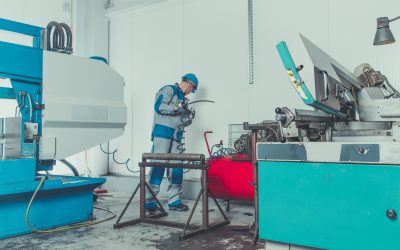
Industrial settings often generate a variety of airborne hazards. Welding operations, chemical processes, and material handling can all release particles and gases that are harmful if inhaled. Without proper ventilation, these contaminants accumulate, increasing the risk of respiratory illnesses, eye irritation, and even long-term chronic health issues among workers.
An industrial ventilation system works by systematically removing these harmful substances from the air. This is typically achieved through a combination of local exhausts, general ventilation, and air filtration. By capturing contaminants at their source and diluting airborne hazards throughout the facility, the system significantly reduces exposure risks.
Key safety benefits include:
- Minimized Exposure to Hazardous Substances: Effective extraction and filtration prevent dangerous concentrations of toxins and particulates.
• Reduced Fire and Explosion Risks: Removing flammable vapors and dust lowers the potential for workplace accidents.
• Enhanced Compliance: Meeting OSHA and EPA standards is more straightforward with proper ventilation in place.
Improving Air Quality for Health and Productivity
Clean air is essential not only for safety but also for overall worker well-being and productivity. Poor air quality can lead to fatigue, headaches, and decreased concentration, directly impacting operational efficiency. An industrial ventilation system maintains a consistent flow of fresh air, keeping temperature and humidity levels in check.
Additional air quality benefits include:
- Odor Control: Ventilation systems help eliminate unpleasant smells, creating a more comfortable work environment.
- Allergen and Pathogen Reduction: Filtering airborne particles can decrease the spread of allergens and airborne illnesses.
- Equipment Longevity: Cleaner air reduces dust and debris accumulation on machinery, minimizing maintenance needs and extending equipment life.
Key Features and Considerations
When selecting or upgrading an industrial ventilation system, several factors should be considered to maximize effectiveness:
- Source Capture vs. Dilution Ventilation: Source capture systems remove contaminants directly at the point of origin, while dilution ventilation disperses and dilutes pollutants throughout the facility.
- System Design: Properly designed ductwork, exhaust hoods, and air intake placements are crucial for optimal airflow and contaminant removal.
- Regular Maintenance: Routine inspection and cleaning of filters, fans, and ducts ensure the system operates efficiently and reliably.
Ensuring a Safer, Healthier Workplace
The implementation of an industrial ventilation system is a proactive investment in workplace safety and employee health. By effectively controlling airborne hazards and maintaining high indoor air quality, organizations can reduce health risks, comply with regulations, and promote a more productive work environment. As industries continue to prioritize worker safety and operational efficiency, robust ventilation solutions remain a foundational element in achieving these goals.