Brakes are one of the most essential safety features of any vehicle. Without properly functioning brakes, driving becomes hazardous, both for the driver and for others on the road. Regular brake inspections are crucial for ensuring that this critical component remains in top condition. In this blog, we will explore why brake inspections are important, what they involve, and how drivers in Terrace, BC can benefit from consistent brake maintenance.
Why Brake Inspections Matter for Safety
Brakes are responsible for stopping the vehicle, preventing accidents, and ensuring smooth, controlled deceleration. Worn or malfunctioning brakes can lead to dangerous driving conditions, especially in emergency situations. Regular brake inspections can identify issues before they become severe, helping prevent potential accidents and improving overall driving safety.
1. Early Detection of Problems
Brake issues often start small but can become more severe if left unaddressed. Common problems like worn-out brake pads, fluid leaks, or uneven wear on the brake rotors can all be detected during a routine inspection. If these problems are caught early, they can be fixed before they lead to larger, more expensive repairs.
2. Increased Stopping Power
Regular brake inspections ensure that your vehicle’s braking system remains in optimal condition, enhancing its stopping power. Worn-out brake pads or low brake fluid can significantly reduce your vehicle’s ability to stop quickly, which can be especially dangerous in emergencies. Keeping your brakes in top shape ensures that you can stop promptly when needed.
3. Prevent Brake Failure
One of the most serious risks of neglected brake maintenance is complete brake failure. While brake failure is rare, it can happen if components like brake pads, rotors, or brake lines are not properly maintained. Regular brake inspections help identify potential failure points, allowing for timely repairs before the system completely malfunctions.
What Happens During a Brake Inspection?
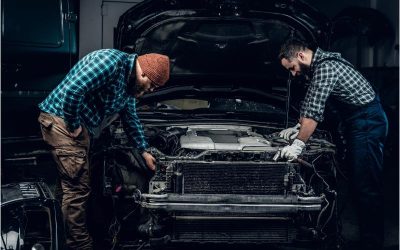
A thorough brake inspection involves several key checks to ensure that all parts of the braking system are working properly. Here’s what a typical brake inspection entails:
1. Checking Brake Pads and Shoes
Brake pads and shoes are among the most important parts of the braking system. During an inspection, a mechanic will check the thickness of the brake pads and shoes. If they are worn down too much, they need to be replaced to ensure proper braking performance. Most manufacturers recommend replacing brake pads when they are about 3 millimeters thick.
2. Examining Brake Rotors and Drums
The brake rotors (or drums for older vehicles) are the components that the brake pads press against to create friction and stop the vehicle. Over time, rotors can become warped or damaged due to heat and friction. A brake inspection will include checking the condition of the rotors and ensuring they are smooth and free from cracks or grooves.
3. Checking Brake Fluid Levels
Brake fluid is essential for transferring the force from the brake pedal to the brakes themselves. During an inspection, the mechanic will check the brake fluid levels and look for any signs of leaks. If the brake fluid is low, it can affect the effectiveness of the braking system and lead to poor performance.
4. Inspecting Brake Lines and Hoses
Brake lines and hoses transport the brake fluid throughout the system. Any damage to these parts can lead to leaks and reduced braking efficiency. During a brake inspection, the mechanic will check the lines and hoses for any cracks or leaks that could compromise the braking system.
5. Testing the Brakes
A mechanic will also test the braking system in action. This may include driving the vehicle to check for any unusual noises or vibrations when braking. They will listen for grinding or squealing noises, which often indicate that the brake pads are worn down, or the rotors are damaged.
How Often Should You Get Your Brakes Inspected?
Brake inspections should be performed regularly as part of routine vehicle maintenance. While the specific timing can vary depending on the vehicle, driving habits, and the conditions in which the car is driven, there are some general guidelines:
- Every 12,000 miles (20,000 kilometers) or once a year, whichever comes first, is a common recommendation for brake inspections.
- If you notice any signs of brake issues, such as squeaking, grinding, or reduced stopping power, it’s important to have your brakes inspected immediately.
- If you drive frequently in stop-and-go traffic or mountainous areas, you may need more frequent inspections due to the increased stress on your brakes.
Benefits of Regular Brake Inspections
1. Enhanced Safety
The most significant benefit of regular brake inspections is improved safety. By keeping your braking system in good condition, you can stop more effectively, preventing accidents and ensuring that your vehicle handles well in all conditions.
2. Cost Savings
Early detection of brake issues can save money in the long run. Minor repairs like replacing brake pads are far less expensive than dealing with the consequences of brake failure, which may require extensive repairs or even lead to an accident.
3. Better Vehicle Performance
Regular brake maintenance not only ensures safety but also enhances overall vehicle performance. Properly functioning brakes contribute to smoother, more responsive handling and help maintain optimal driving conditions.
Finding a Reliable Local Auto Repair Shop for Brake Inspections
When it comes to brake maintenance, it’s essential to trust a local auto repair shop with the necessary experience and equipment to properly assess and repair your brakes. For residents of Terrace, BC, Rain Coast Wash & Lube offers professional brake inspections, repairs, and maintenance services. As a respectable tire service and auto shop, they provide reliable and affordable brake services to ensure your vehicle is safe and ready for the road.
Final Thoughts
Regular brake inspections are a critical part of vehicle maintenance that can prevent accidents and improve driving performance. By having your brakes inspected regularly, you ensure your vehicle is ready for the road and can handle any situation safely. Drivers in Terrace, BC, can rely on professional auto repair shops like Rain Coast Wash & Lube for comprehensive brake services and expert advice. If you’re due for a brake inspection or repair, don’t wait—schedule an appointment today to keep your vehicle in top condition.