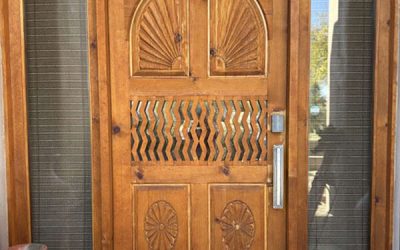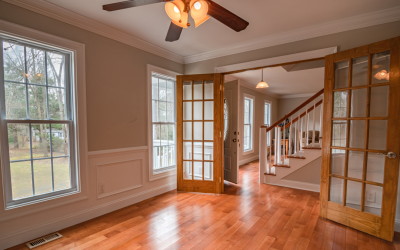
A custom wood door may need wider stiles or rails when the door is tall, wide, heavy, detailed, or designed with glass, panels, or substantial hardware. Wider stiles and rails help the door look balanced, support the layout visually, and create stronger proportions for the surrounding architecture.
In Scottsdale, AZ homes, door design often needs to work with larger entryways, desert-modern exteriors, stone surrounds, stucco finishes, high ceilings, and distinctive residential architecture. For custom wood doors, stile and rail width can make the difference between a door that looks properly scaled and one that feels too thin for the opening.
What Are Stiles and Rails on a Wood Door?
Stiles are the vertical side pieces of a door, while rails are the horizontal pieces across the top, bottom, and sometimes the middle. Together, they form the structural and visual frame of many wood door designs.
On a custom wood door, these pieces are not only technical parts. They also shape the door’s appearance. Narrow stiles can create a lighter look, while wider stiles can make the door feel stronger and more grounded. Taller bottom rails can add weight near the base, while wider top or mid rails can help divide panels or glass in a more balanced way.
The right stile and rail proportions depend on the size of the opening, the door style, and the architectural setting.
Why Do Wider Stiles Matter on Custom Wood Doors?
Wider stiles matter because they create visual strength along the sides of the door. This is especially important when the door is tall, includes glass, or uses large hardware.
A narrow stile on a large door can look underbuilt, even when the door itself is well made. The sides may appear too thin compared with the overall height or width. Wider stiles help frame the center of the door, support hardware placement, and create a more finished look.
For Scottsdale homes with prominent front entries, wider stiles may help the custom wood door feel aligned with the scale of the home. They can also help the door coordinate with thicker trim, stone columns, recessed entries, or wide exterior walls.
When Should Rails Be Wider?
Rails should be wider when the door needs stronger horizontal balance, better panel spacing, or a more grounded base. The bottom rail is especially important because it affects how substantial the door feels from the street and from inside the entry.
A taller bottom rail can help anchor a custom wood door visually. This can be useful for large front doors, traditional panel doors, rustic designs, or doors with glass in the upper portion. Without enough bottom rail height, the door may look top-heavy or overly delicate.
Mid rails may also need to be wider when separating glass from wood panels. The rail should look intentional, not like a thin divider placed between unrelated design elements.
How Do Stile and Rail Widths Affect Glass Placement?
Glass placement depends heavily on stile and rail width. When a door includes glass, the wood surrounding the glass must feel proportional. If the glass is too close to the edges, the door can look visually weak. If the wood frame is too wide, the glass may feel too small or heavy.
Wider stiles can create a stronger border around vertical glass inserts. Wider rails can support upper glass sections, divided-light layouts, or designs where glass sits above a lower panel. The goal is balance: enough glass to bring light into the entry, with enough wood to keep the door feeling substantial.
This is especially relevant for desert homes where natural light is valued, but privacy and architectural character still matter.
How Does Hardware Influence Stile Width?
Hardware should be considered early because it affects stile width. Handles, locksets, deadbolts, and large pulls all need proper space. A custom door shop may recommend wider stiles when the selected hardware requires more visual or physical room.
A long vertical pull, for example, may look out of scale on a narrow stile. A larger lockset may need more surface area to sit comfortably. If the stile is too narrow, the hardware can crowd the design and make the door look less refined.
On solid wood custom doors, the hardware should feel integrated into the design. Wider stiles can help create that effect by giving the hardware enough visual breathing room.
Are Wider Stiles and Rails Always Better?
Wider stiles and rails are not always better. The correct proportions depend on the door size, design style, and home architecture.
A minimalist modern door may look better with clean, moderate lines rather than oversized framing. A traditional or rustic door may need more substantial rails and stiles to support its design language. A narrow custom wood door may require slimmer proportions so it does not feel heavy in a small opening.
The goal is not to make every component larger. The goal is to make each part of the door feel connected to the whole design.
Why Does Scottsdale Architecture Often Need Careful Door Proportion?
Scottsdale, AZ, architecture includes a wide range of styles, from desert contemporary and Southwest-inspired homes to luxury estates and modern remodels. Many homes use strong exterior materials, wide walls, high ceilings, and detailed entry approaches.
A standard door design may not always match that scale. Wider stiles and rails can help a door feel more appropriate when the entry has large surrounding features. They can also create a smoother transition between the exterior architecture and the interior design.
For Scottsdale homeowners comparing custom wood doors, Anasazi Architectural Door offers custom exterior options that allow proportions, materials, glass layouts, and door details to be considered together.
What Should Homeowners Ask a Custom Door Supplier?
Homeowners should ask how stile and rail widths will relate to the door height, width, hardware, glass, panels, and trim. They should also ask whether the proportions will look balanced from both the exterior and interior.
Useful questions include:
- Will the side stiles support the selected hardware?
- Is the bottom rail tall enough for the size of the door?
- Will glass inserts look balanced within the wood frame?
- Does the door match the scale of the entry opening?
- Will the style coordinate with nearby interior or exterior details?
These questions help homeowners evaluate more than appearance. They also support long-term function and daily use.
What Is the Main Takeaway?
Wider stiles and rails can improve the look and feel of a custom wood door when the opening, hardware, glass, or architectural setting requires more visual strength. They are especially useful for large doors, glass designs, substantial hardware, and homes with prominent entry features.
For Scottsdale, AZ homes, stile and rail proportions should be planned carefully with the door’s size, material, hardware, and surrounding architecture. A thoughtful custom wood door design can feel balanced, substantial, and appropriate without adding unnecessary detail.