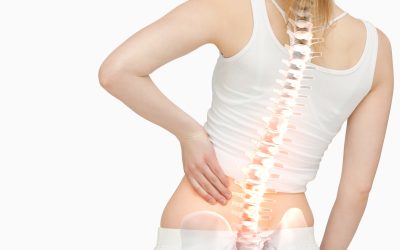
Sacroiliac joint dysfunction can cause pain on one side of the lower back, upper buttock, or hip because the affected joint sits where the spine meets the pelvis. The discomfort may resemble a muscle strain, lumbar problem, or hip condition, so an examination is important before treatment begins.
What Is the Sacroiliac Joint?
The body has two sacroiliac, or SI, joints. Each connects the sacrum at the base of the spine to one side of the pelvis.
These joints allow only a small amount of movement, but they help transfer force between the upper body and legs. Ligaments and surrounding muscles stabilize the area during walking, climbing stairs, lifting, and changing positions.
SI joint dysfunction may occur when a joint becomes irritated, moves differently than expected, or experiences uneven stress. It does not always produce a clear finding on an X-ray or another imaging study.
Why Does SI Joint Dysfunction Often Hurt on One Side?
Either the right or left SI joint may be more irritated. Pain is often felt near one of the small dimples above the buttocks and may spread into the buttock, groin, upper thigh, or side of the hip.
Symptoms may increase when a person stands on one leg, walks for an extended period, climbs stairs, exits a car, rolls over in bed, or lifts while twisting. These activities shift weight across the pelvis and repeatedly load the affected side.
How Can SI Joint Pain Be Confused With Hip or Lower Back Pain?
The SI joint is close to the lumbar spine, gluteal muscles, and hip, so pain from these areas can overlap. Location alone is therefore not enough to identify the source.
Lumbar nerve irritation may be more likely when pain travels below the knee or occurs with numbness, tingling, weakness, or reflex changes. A hip condition may cause more groin discomfort, stiffness, or pain during hip rotation. A muscle strain may be closely connected to a recent activity or sudden movement.
These distinctions are not absolute. A chiropractor for lower back pain should assess the spine, pelvis, hips, muscles, and neurological function rather than assuming every one-sided symptom comes from the SI joint.
What Does an SI Joint Evaluation Include?
Evaluation usually begins with questions about when the pain started, where it travels, and which movements change it. Previous falls, pregnancy, repetitive lifting, running, and lumbar surgery may also be relevant.
The examination may include posture, walking mechanics, hip mobility, lower-back movement, strength, sensation, and reflexes. A provider may also use several provocation tests that place controlled stress across the SI joint.
No single test confirms SI joint dysfunction in every patient. A group of consistent findings is generally more useful. Imaging may help rule out fractures, arthritis, inflammatory disease, or another condition, but it may not identify the exact source of mechanical SI joint pain.
How May Chiropractic Care Fit Into Conservative Treatment?
Care should be based on the examination findings and the patient’s tolerance. A lower back pain chiropractor may use manual therapy, mobility work, strengthening, and guidance for daily activities.
A chiropractic adjustment for the lower back or pelvis may be considered when restricted movement contributes to the pattern. Treatment may also address the hips or upper back when those areas affect how force travels through the pelvis.
Exercise is often important. Strengthening the gluteal, abdominal, and pelvic muscles may improve load control, while mobility work can address stiffness nearby. Patients may also benefit from changing how they sit, sleep, lift, or move between positions.
Harbor Wellness Co. provides information for Mt Pleasant patients seeking a Back Pain Chiropractor. They assess movement and symptom patterns before recommending care.
Is a Chiropractic Adjustment Enough by Itself?
Not always. SI joint symptoms may also be influenced by muscle endurance, work demands, sports activity, pregnancy-related changes, previous injuries, or movement habits.
A chiropractic adjustment may improve movement or comfort for some patients, but management often requires attention to the factors that continue loading the area. A spine chiropractor may combine manual care with progressive exercises, walking changes, or temporary activity modifications.
Results vary, so care should be reviewed and adjusted when symptoms do not improve as expected.
When Does One-Sided Lower Back Pain Need Medical Attention?
Prompt medical evaluation is important when pain follows major trauma or appears with fever, unexplained weight loss, severe night pain, or a history of cancer or infection.
New bowel or bladder changes, numbness around the groin, or rapidly worsening leg weakness require urgent care. These findings are not typical of routine SI joint dysfunction.
Persistent pain, progressive symptoms, or difficulty bearing weight should also be evaluated rather than managed through self-treatment alone.
What Should Mt Pleasant Patients Remember?
SI joint dysfunction can feel like one-sided lower back or hip pain because the joint connects the spine and pelvis and carries force during movement. Similar symptoms can also come from the lumbar spine, hip, nerves, or surrounding muscles.
A thorough evaluation helps identify the likely source and determine whether chiropractic care, exercise, medical referral, or another conservative approach is appropriate.