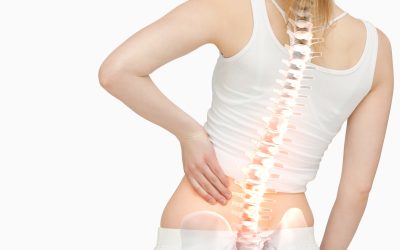
Spondylolisthesis is a condition where one vertebra in the spine slips over another, causing pain, nerve compression, and potential loss of function. For those living in San Diego who suffer from spondylolisthesis, spinal decompression therapy can be an effective, non-surgical solution to relieve pain and promote healing. This blog explores how spinal decompression works, its benefits for treating spondylolisthesis, and why it’s a trusted therapy for many individuals suffering from lower back pain.
What is Spondylolisthesis?
Spondylolisthesis occurs when a vertebra in the spine moves out of its proper position, typically slipping forward over the one below it. This misalignment can cause nerve compression, leading to symptoms like lower back pain, leg pain (sciatica), muscle weakness, and numbness. In severe cases, spondylolisthesis can interfere with daily activities and mobility.
The condition can be caused by degenerative changes in the spine, birth defects, trauma, or stress fractures. For many individuals with spondylolisthesis, the misalignment of the vertebrae leads to chronic pain and discomfort, often resulting in the need for treatment options like spinal decompression.
How Does Spinal Decompression Work for Spondylolisthesis?
Spinal decompression therapy is a non-invasive, FDA-cleared treatment designed to reduce pressure on the spine and promote healing. The therapy involves the use of a motorized table that gently stretches the spine, creating a negative pressure effect that helps to reposition vertebrae and relieve nerve compression.
For patients with spondylolisthesis, spinal decompression helps by:
- Realigning the vertebrae: The gentle stretching forces help to reposition the misaligned vertebrae, reducing the slip and promoting proper spinal alignment.
- Relieving pressure on the nerves: By decompressing the spine, spinal decompression reduces the pressure on nerves that may be pinched by the misaligned vertebrae, which helps alleviate pain, numbness, and weakness.
- Promoting healing: The therapy stimulates blood flow and nutrient exchange in the affected area, supporting the body’s natural healing process and helping to repair damaged discs and tissues.
Spinal decompression is particularly beneficial for patients with spondylolisthesis because it offers a way to treat the underlying misalignment without resorting to invasive surgery.
Benefits of Spinal Decompression for Spondylolisthesis
Spinal decompression therapy offers several advantages over traditional treatments for spondylolisthesis, including pain relief, improved function, and faster recovery. Some of the key benefits include:
1. Non-Surgical Treatment
Spinal decompression provides a non-invasive alternative to surgery. For individuals with spondylolisthesis, surgery may be the last resort if other treatments fail. However, spinal decompression therapy can often provide relief without the need for incisions, anesthesia, or extended recovery times.
2. Relieves Pressure on Nerves
One of the main causes of pain in spondylolisthesis is nerve compression. Spinal decompression helps to alleviate this pressure by gently separating the vertebrae, creating space for the nerves to function properly. As a result, patients often experience reduced pain, improved mobility, and decreased symptoms of sciatica or leg pain.
3. Promotes Healing
The negative pressure created during spinal decompression promotes the natural healing of damaged discs and tissues. By enhancing blood flow and nutrient exchange, the therapy helps repair spinal structures, which can accelerate recovery and prevent future issues.
4. Improves Range of Motion
As spinal decompression realigns the vertebrae and reduces pain, patients often experience improved flexibility and range of motion. This is especially important for individuals with spondylolisthesis, as restricted movement due to pain or discomfort can limit daily activities.
5. Reduces the Need for Medications
Traditional treatments for spondylolisthesis, such as pain medications and muscle relaxants, often provide temporary relief but do not address the underlying cause of the pain. Spinal decompression, on the other hand, targets the root cause of the condition and provides long-term relief, reducing the need for medication.
Is Spinal Decompression Effective for Spondylolisthesis?
Yes, spinal decompression is an effective treatment for spondylolisthesis, especially for those with mild to moderate cases. Studies have shown that spinal decompression can significantly reduce pain, improve function, and increase mobility in patients with spondylolisthesis. By addressing the misalignment of the vertebrae and relieving nerve compression, spinal decompression promotes natural healing and restores spinal health.
While results vary from patient to patient, many individuals experience noticeable improvements after just a few sessions. For optimal results, it’s important to follow the recommended treatment plan and combine spinal decompression with other therapeutic techniques, such as chiropractic adjustments and physical therapy.
To learn more about spinal decompression and how it can help with spondylolisthesis, visit reliable chiropractic partner.
How Many Spinal Decompression Sessions Will I Need?
The number of spinal decompression sessions required depends on the severity of your spondylolisthesis and how your body responds to treatment. Most patients begin to experience pain relief after just a few sessions, but a full course of therapy may last several weeks. Your chiropractor will work with you to develop a personalized treatment plan based on your specific condition and recovery goals.
It’s important to remember that spinal decompression is not a one-time solution. For best results, it’s recommended that patients continue therapy as advised and engage in complementary treatments, such as chiropractic adjustments and exercises, to support long-term spinal health.
When Should You Consider Spinal Decompression for Spondylolisthesis?
If you are experiencing persistent back pain, sciatica, or other symptoms of spondylolisthesis that are not improving with traditional treatments, spinal decompression may be an ideal option. It’s especially beneficial for patients who want to avoid surgery or long-term reliance on medications.
Consulting with a chiropractor who specializes in spinal decompression can help determine if this treatment is right for you. They will evaluate your condition, discuss your treatment options, and create a plan that suits your specific needs.
Spinal decompression is an effective, non-invasive treatment for spondylolisthesis that can provide significant relief for back pain, nerve compression, and associated symptoms. By realigning the vertebrae and promoting natural healing, spinal decompression can help patients recover from spondylolisthesis without the need for surgery or long recovery times.
For individuals in San Diego seeking relief from spondylolisthesis, spinal decompression is a proven and effective option. To learn more about spinal decompression and how it can help with your back pain, contact a reliable chiropractic partner today.