With energy costs steadily rising across the United States, homeowners are increasingly searching for effective ways to make their homes more energy-efficient and cost-effective. Many are looking for innovative solutions that not only lower monthly bills but also contribute to a more sustainable lifestyle. One such solution that has gained popularity is the use of an Air To Water Heat Exchanger as a means to maximize heating and cooling efficiency. This advanced technology offers a smart way to reduce energy usage, making it a highly searched option for those aiming to cut costs without sacrificing comfort.
Understanding How Air To Water Heat Exchangers Work
An air to water heat exchanger is a device that transfers heat between the air outside your home and the water used in your heating or cooling systems. Unlike traditional heating systems that rely solely on electricity or natural gas, this system leverages the temperature difference between outdoor air and the water circulating through your home. The result is a more efficient transfer of energy, which can be used to heat your home in the winter and cool it in the summer.
Essentially, these systems absorb heat from the outdoor air—even when it feels cold outside—and transfer it into water. This heated water then circulates through radiators, underfloor heating systems, or even your home’s hot water supply. During warmer months, the process can be reversed to help cool indoor spaces, offering year-round savings.
Key Benefits for American Homeowners
Adopting an air to water heat exchanger system offers several notable advantages that directly impact your energy bills:
- Improved Energy Efficiency: By harnessing naturally occurring heat in the air, these systems use significantly less electricity or gas compared to conventional HVAC systems.
- Lower Utility Bills: Homeowners often see a substantial reduction in monthly energy costs, as the system maximizes the use of renewable energy sources.
- Versatility: These exchangers can be integrated with existing heating and cooling systems, making them a flexible option for retrofitting older homes or enhancing new constructions.
- Reduced Environmental Impact: Using less fossil fuel means a smaller carbon footprint, supporting both your budget and environmental goals.
Installation and Maintenance Considerations
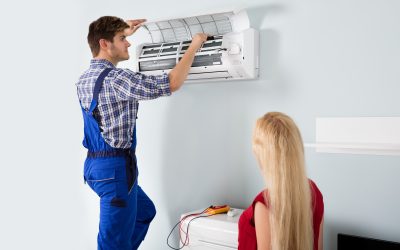
Before making the switch, it’s important to evaluate your home’s current infrastructure. Air to water heat exchangers can be installed in most American homes, but optimal performance is achieved when paired with well-insulated buildings and compatible distribution systems like radiant floor heating. Professional installation ensures the system is correctly sized and configured for your specific needs.
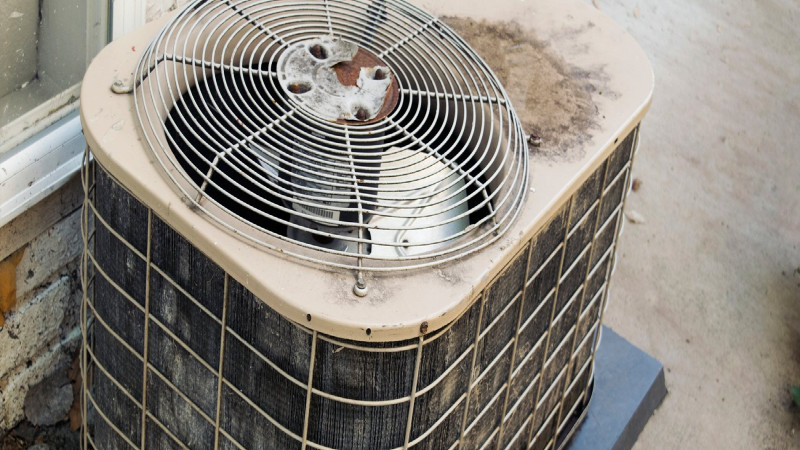
Maintenance is relatively straightforward. Regularly checking filters, ensuring adequate airflow, and scheduling annual inspections help maintain peak efficiency and prolong the lifespan of the exchanger. Most homeowners find that the reduced maintenance requirements and operational simplicity add to the overall value of the system.
Maximizing Savings and Comfort
To get the most out of your investment, consider these actionable tips:
- Upgrade Insulation: Proper insulation reduces heat loss, allowing your system to work more efficiently.
- Use Smart Thermostats: Integrating smart controls helps optimize energy use, adapting heating and cooling schedules to your lifestyle.
- Regular Servicing: Annual professional check-ups can detect minor issues before they become costly problems.
By adopting these best practices, you can ensure your air to water heat exchanger operates at peak efficiency, delivering both financial and comfort benefits.
Homeowners across the USA are discovering that upgrading to this technology is a practical step toward lower energy bills and a more comfortable living environment. By understanding how these systems work and implementing smart usage strategies, you can enjoy long-term savings while making a positive impact on the environment.